
Before the database, there was a fret
-
Margin note
The “& Sons” came down with the habit and the lamp. We kept all three.
-
Margin note
The front room faces west. By four in the afternoon the light on the bench turns the colour of a sunburst guitar top.
-
Margin note
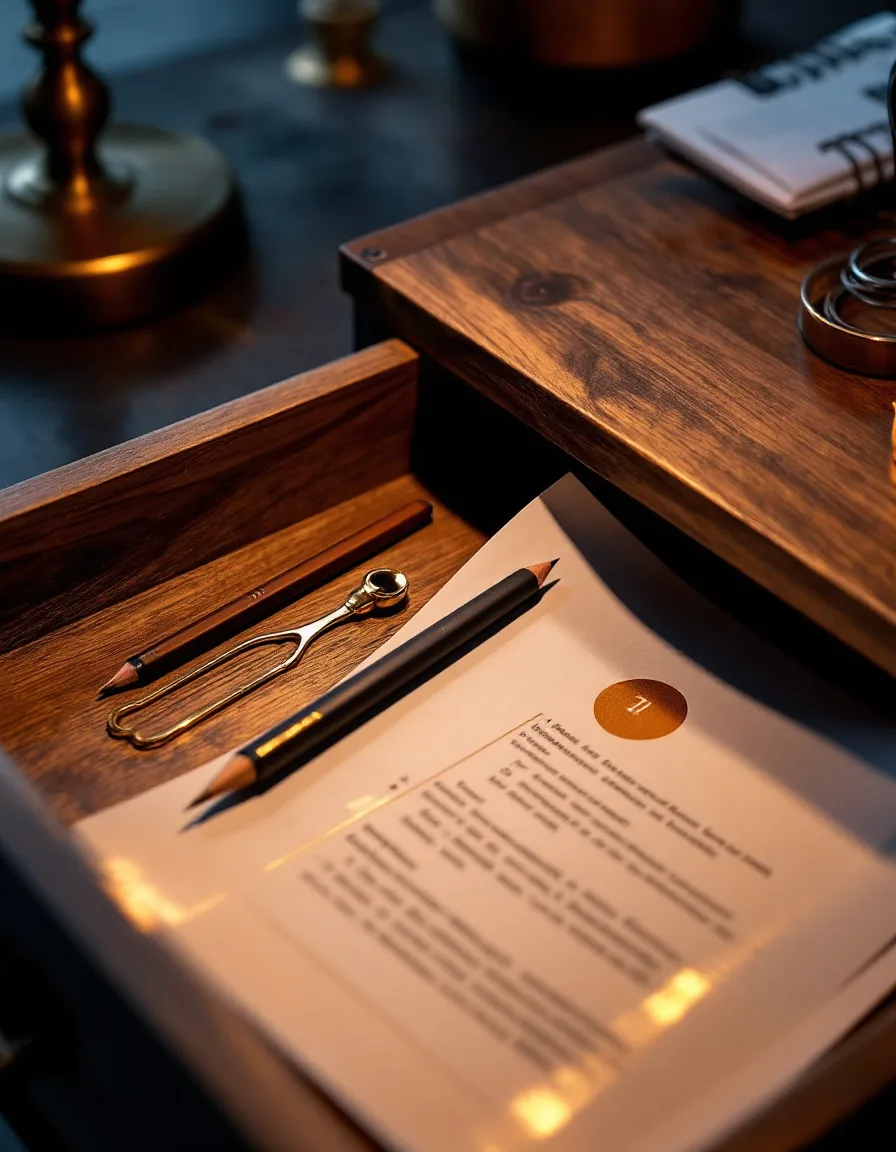
The tuning fork in Fig. 3 is real, slightly bent, and pitched a hair flat. We’ve decided that’s funny.
The name comes from a repair bench and a rule older than anyone who worked at it: nobody turns a peg until they’ve heard the buzz. You lay the instrument on the felt, pluck the string, lower your ear to the body and wait. A high fret rattles differently from a loose brace; a worn nut sounds different from both. Fix the wrong one and the guitar leaves the shop exactly as broken as it arrived — plus a bill.
Databases buzz the same way. A sequential scan across a table nobody indexed has a sound: a replica fan spinning up, a latency graph going amber at the same hour every evening. A lock queue piling up behind an un-batched ALTER TABLE has another. A bloated index that autovacuum quietly gave up on has a third. All three arrive in Slack as “the database is slow.” All three need different hands.
We kept the habit and swapped the instrument. The felt became a read-only replica; the ear became pg_stat_statements.
So that’s the work. We take read-only access, listen to your real workload long enough to hear where the noise actually lives, and change the one thing making it — an index, a rewritten join, a vacuum setting nobody has touched since launch week. Then we listen again. When the buzz is gone, we write down why, so the next engineer to open the case knows what was done and doesn’t undo it during a tidy-up.
The bench itself sits in a front room at 140 Cedarcrest Dr, in Nashville’s 37212: a walnut top worn pale where elbows rest, a brass lamp, a radiator that ticks all winter and a screen door that lets the cicadas in all August. The tuning travels over a secure connection to wherever your servers hum. The whiteboards, the coffee and the cutover rehearsals happen here.